Beginner Affiliate Marketing: How to Start Building Passive Income with SEO
Affiliate marketing can feel like a crowded room where everyone already knows the secret handshake. When you are new, the advice tends to swing between hype and jargon. Let me clear that up. Beginner affiliate marketing is not about being a social media star or having a massive email list. It is about understanding how to connect people with products they actually need, then getting paid for that connection. The real leverage comes from search traffic, not from follower counts.
I have seen people start with nothing more than a WordPress site and a willingness to write useful content. They pick a niche, join a few affiliate programs, and let Google do the heavy lifting. That is the core of beginner affiliate marketing done right. You build pages that answer questions, recommend solutions, and earn commissions when someone clicks through and buys. No camera required. No influencer status needed.
What You Actually Need to Start
Before you sign up for any network, get clear on one thing: your site is your storefront. If it looks neglected or moves slowly, people leave. For hosting, I recommend Bluehost or SiteGround for most beginners. They are affordable, include decent support, and integrate easily with WordPress. If you want something more performance-oriented from the start, Kinsta is a step up, but you can move there later. Do not overthink hosting at this stage. A shared plan on SiteGround will handle your first few thousand visitors just fine.
Once you have hosting, install WordPress. It powers a huge percentage of affiliate sites for a reason. Plugins like Yoast SEO help you optimize each page, and if you want a visual builder, Elementor gives you drag-and-drop control without touching code. For writing, I lean on Jasper AI and ChatGPT to draft outlines or refine phrasing, but I never let them replace my own voice. The goal is to sound human, not like a machine that swallowed a thesaurus.
Choosing the Right Affiliate Programs
Not all affiliate programs are created equal. Some pay well but have strict approval. Others are easy to join but the commissions are low. For a beginner, I suggest starting with Amazon Associates. It is widely recognized, has nearly every product category, and the cookie window is 24 hours. That means if someone clicks your link and buys anything on Amazon within a day, you get a commission. The rates vary by category, but the volume can compensate.
Beyond Amazon, look at networks like ShareASale, CJ Affiliate, and Rakuten Advertising. They host thousands of merchant programs, from outdoor gear to software subscriptions. ShareASale is beginner-friendly with a clean dashboard. CJ Affiliate has higher standards but better payouts for certain verticals. Rakuten Advertising is strong for retail and fashion. If you are promoting digital products or courses, ClickBank is a solid choice. It handles high commissions on things like e-books and online training.

One thing I wish someone had told me earlier: don't join every program that accepts you. Pick three to five that match your niche and audience. If you write about home fitness, stick with equipment brands from ShareASale and maybe a supplement line from CJ Affiliate. Spreading too thin dilutes your content and confuses your readers.
Building Content That Earns Traffic
Content is the engine. Without it, you have nothing for Google to rank. The best approach for a beginner is to write comparison posts, best-of lists, and how-to guides. For example, if you are in the web hosting niche, a post titled "Bluehost vs SiteGround for Beginners" can attract people who are about to make a purchase. That is where affiliate links do the most work.
To research what people are searching for, use Semrush or Ahrefs. They show search volume, keyword difficulty, and related questions. I often start with a seed keyword, then look at the "People also ask" section in Google Search Console data or directly on the search results page. For free alternatives, Google Search Console itself gives you insight into what queries bring visitors to your existing pages. That feedback loop is gold.
When you write, keep the reader in mind. Answer their specific question. If they are comparing two products, list the pros and cons honestly. Mention your own experience if you have used the product. If not, rely on customer reviews and forums. People can smell a lazy review from a mile away. Provide genuine value, and the links will feel natural.
Practical Example: Writing a Product Roundup
Let me walk through a concrete example. Suppose you want to promote ThriveCart, which is a checkout platform for digital products. You could write an article about the best cart solutions for content creators. In that article, mention ThriveCart alongside WooCommerce and other options. Compare pricing, features, and ease of use. At the end, include your affiliate link for ThriveCart. That post could rank for phrases like "best shopping cart for digital products" and earn commissions for years.
I have seen pages that took six months to rank but now bring in consistent passive income. That is the beauty of SEO-driven affiliate marketing. You do the work once, and it compounds. But you need patience. Google does not reward shortcuts. Avoid thin content and focus on depth.
Tools That Make Life Easier
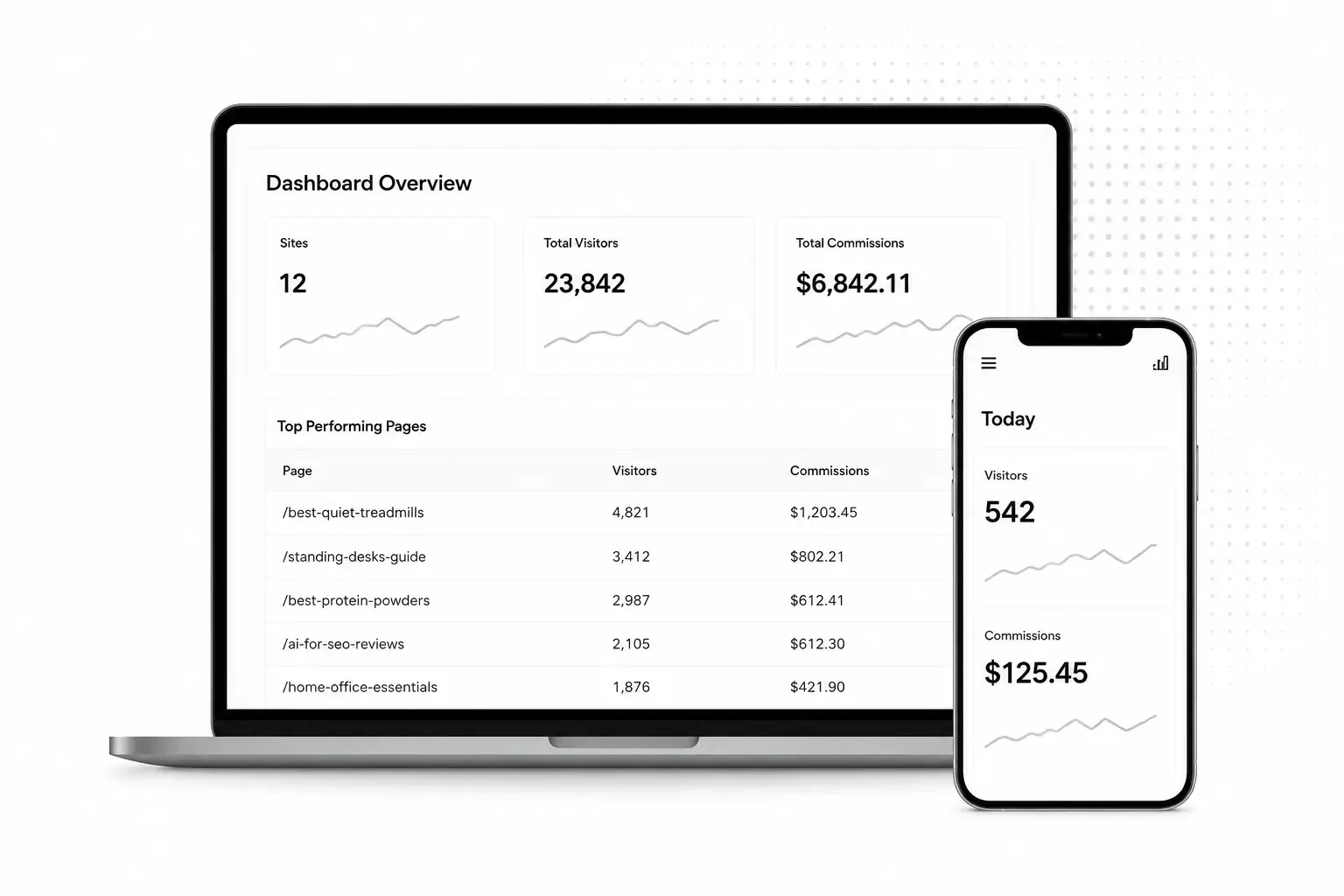
Beyond the obvious writing and SEO tools, a few others deserve mention. Whimsical is great for mapping out site structure or content clusters. It helps you visualize how your posts connect. Traffic Copilot is a newer tool that analyzes your site traffic and suggests content gaps. I have found it useful for spotting topics that my competitors rank for but I don't.
For on-page SEO, Yoast SEO is the standard. It checks readability, keyword usage, and meta descriptions. If you use Elementor, there is a plugin that integrates Yoast right into the builder. That saves time. For technical audits, Semrush and Ahrefs both offer site crawl features. They will flag broken links, slow pages, and missing alt text. Fixing those things improves your chances of ranking.
Common Pitfalls and How to Avoid Them
The biggest mistake I see beginners make is chasing high-ticket commissions without understanding the audience. They promote expensive software or luxury goods to people who are looking for free information. That mismatch kills conversions. Instead, match the product price to the intent. If someone searches for "best free SEO tools," they are not ready to buy a $200 Semrush subscription. But they might click a link to a free trial. Know where your reader is in their journey.
Another pitfall is neglecting site speed. If your page takes more than three seconds to load, half your visitors leave before seeing your content. That is why I recommend a solid host like Kinsta or SiteGround, and why you should keep your WordPress plugins lean. Each plugin adds load time. Audit them regularly.
Finally, do not rely solely on one traffic source. If Google changes its algorithm and your site drops, you lose everything. Build an email list from day one. Use a tool like ThriveCart to capture leads, or simply ask people to subscribe. Even a small list gives you a direct line to your audience that no algorithm can take away.
Setting Realistic Expectations
Beginner affiliate marketing is not a get-rich-quick path. It takes months to see meaningful traffic, and even longer to hit a livable income. But it is a legitimate way to build an asset. I know people who started with a single niche site, added more over time, and now earn a full-time income from commissions. The key is consistency. Publish one solid article per week, promote it on social media or forums, and track what works.

Use Google Search Console to monitor which pages get impressions and clicks. If a page is ranking on page two, improve it. Add more detail, update the links, or include a video. Small tweaks can push it to page one. That is where the traffic lives.
Final Thoughts
Affiliate marketing rewards those who think like publishers, not salespeople. Focus on helping the reader make an informed decision. If you do that well, the commissions follow. Start with a small niche, pick one or two affiliate programs, and build a handful of genuinely useful pages. Over time, expand. The tools and networks I mentioned - Amazon Associates, ShareASale, CJ Affiliate, Rakuten Advertising, ClickBank, WordPress, Elementor, Jasper AI, ChatGPT, Google Search Console, Semrush, Ahrefs, Yoast SEO, WooCommerce, ThriveCart, Bluehost, SiteGround, Kinsta, Whimsical, and Traffic Copilot - are all resources that can support that journey. Use them wisely, and let your content do the selling.